

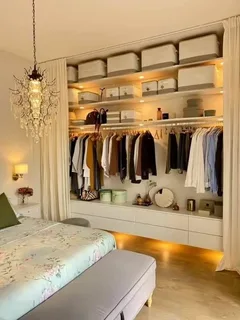
Open your wardrobe on a busy morning and you might find yourself staring at dozens of clothes with the strange feeling that there’s still nothing to wear. It’s a frustration many people know well. A wardrobe filled with impulse purchases, trend-driven pieces, and forgotten outfits often creates more stress than inspiration. More clothing doesn’t automatically mean more style.
A capsule wardrobe offers a different approach. Instead of chasing every seasonal trend, it focuses on building a collection of versatile, well-made pieces that work together in countless combinations. The goal isn’t to own as little as possible. It’s to own clothing you’ll genuinely enjoy wearing. The result is a wardrobe that feels intentional, practical, and surprisingly stylish without demanding endless shopping trips.
What Is a Capsule Wardrobe?
A capsule wardrobe is a thoughtfully selected collection of clothing designed to mix and match with ease. Rather than filling your closet with dozens of similar items, each piece serves a purpose and complements the rest of your wardrobe. A simple white shirt, tailored trousers, quality denim, neutral knitwear, and a classic blazer can create dozens of different outfits when chosen carefully.
The concept first gained popularity decades ago, but it continues to resonate because it solves a very modern problem. Many people are overwhelmed by choice. Owning fewer, better pieces makes getting dressed faster while encouraging smarter shopping habits and reducing unnecessary spending.
Although every wardrobe looks different, most capsule collections share several qualities:
- Timeless rather than trend-driven.
- Easy to mix and match.
- Suitable for multiple occasions.
- Built around quality instead of quantity.
- Reflective of personal style.
- Comfortable enough for everyday wear.
A capsule wardrobe isn’t about following strict rules. It’s about creating a closet that works for your lifestyle rather than against it.
Why More Clothes Often Mean Fewer Outfit Choices
It sounds contradictory, but adding more clothing can actually make styling more difficult. When a wardrobe contains random colors, conflicting styles, and impulse purchases, creating cohesive outfits becomes surprisingly complicated. Pieces compete instead of complementing one another.
A carefully planned wardrobe removes that friction. Since every item coordinates with several others, choosing an outfit becomes much simpler. Instead of wondering whether two garments work together, you already know they do because they were selected with versatility in mind.
Common reasons wardrobes become overcrowded include:
- Buying clothes simply because they’re on sale.
- Shopping for trends instead of personal style.
- Holding onto items that no longer fit.
- Purchasing duplicate pieces unnecessarily.
- Keeping clothes for imaginary occasions.
- Following fashion influencers without considering your own lifestyle.
Removing unnecessary clutter creates space not only in your closet but also in your daily routine.
Discover Your Personal Style Before You Shop
Many people begin building a capsule wardrobe by buying new clothes immediately. That’s often a mistake. The first step is understanding what you genuinely enjoy wearing. Someone working in a creative office will likely need different clothing than someone working remotely or spending weekends outdoors.
Think about the outfits you naturally reach for. Are they relaxed and casual, polished and structured, or somewhere in between? Your existing favorites usually reveal more about your authentic style than the items still carrying price tags.
Ask yourself these questions before adding anything new:
- Which outfits make you feel most confident?
- Which colors do you wear repeatedly?
- What fabrics feel comfortable throughout the day?
- Which clothes receive the most compliments?
- What items rarely leave your wardrobe?
- Are your purchases matching your actual lifestyle?
Answering these questions helps prevent unnecessary spending and creates a wardrobe that feels personal rather than copied from someone else’s social media feed.
Start With a Neutral Color Palette
A neutral foundation makes outfit building almost effortless. Colors such as black, white, beige, navy, gray, cream, olive, and brown pair naturally with one another, allowing even a small wardrobe to produce a surprising number of combinations.
Choosing mostly neutral basics doesn’t mean your wardrobe has to look boring. Instead, think of neutral pieces as the canvas. Accessories, scarves, handbags, shoes, and a few carefully selected accent colors bring personality without limiting versatility.
A balanced color palette might look like this:
| Category | Suggested Colors |
| Core Basics | Black, white, cream, navy |
| Bottoms | Blue denim, charcoal, beige, olive |
| Knitwear | Camel, gray, oatmeal |
| Outerwear | Black, tan, navy |
| Accent Colors | Burgundy, forest green, dusty blue, soft pink |
Once your foundation is established, introducing seasonal colors becomes much easier because they naturally coordinate with the rest of your wardrobe.
Build Around Essential Wardrobe Staples
Every capsule wardrobe reflects individual preferences, but certain pieces consistently prove their value because of their versatility. These are the garments that quietly become the backbone of countless outfits.
Rather than buying everything at once, build your collection gradually. Invest in quality where it matters most, replacing worn-out items over time instead of attempting a complete wardrobe overhaul in a single shopping trip.
Consider including staples such as:
- A crisp white button-down shirt.
- High-quality straight-leg jeans.
- Tailored black trousers.
- A classic blazer.
- Neutral crewneck T-shirts.
- Lightweight knit sweaters.
- A versatile midi dress.
- Comfortable white sneakers.
- Loafers or ankle boots.
- A timeless trench coat.
- A structured everyday handbag.
- A simple leather belt.
These basics can easily transition between casual outings, workdays, and evening plans with only a few styling changes.
Choose Quality Over Quantity
Fast fashion makes it tempting to buy five inexpensive sweaters instead of one well-made piece. At first, it feels like better value. After several washes, the difference often becomes obvious. Fabrics lose their shape, seams weaken, and colors fade, leading to another shopping trip.
Quality clothing usually costs more upfront, but it often provides better long-term value because it lasts longer and maintains its appearance. Well-made garments also tend to fit better, making them more enjoyable to wear.
When evaluating quality, pay attention to:
- Fabric composition.
- Stitching consistency.
- Button and zipper durability.
- Lining quality.
- Construction around seams.
- Care instructions.
- Overall fit.
Buying fewer, better items often reduces spending over time while creating a wardrobe that consistently looks polished.
Create More Outfits With Fewer Pieces
One of the biggest misconceptions about a capsule wardrobe is that fewer clothes mean fewer outfit choices. The opposite is often true. When every piece complements the others, the number of possible combinations increases dramatically. A single blazer can work with jeans for brunch, tailored trousers for work, or a slip dress for dinner. Instead of relying on one complete outfit, each item becomes part of several.
This approach also reduces decision fatigue. Rather than spending fifteen minutes trying to match colors and silhouettes, you’ll already know that most items in your wardrobe work together. Getting dressed becomes quicker without feeling repetitive because small styling changes create entirely different looks.
A few easy outfit combinations include:
| Base Piece | Casual Look | Smart Casual Look | Dressier Look |
| White Shirt | Jeans and sneakers | Trousers and loafers | Satin skirt and heels |
| Black Blazer | Denim and T-shirt | Tailored pants | Slip dress |
| Straight-Leg Jeans | Knit sweater | Button-down shirt | Silk blouse and heels |
| Midi Dress | White sneakers | Denim jacket | Structured blazer |
| Neutral Knit | Jeans | Pleated trousers | Midi skirt |
Thinking in combinations instead of individual outfits helps every purchase work harder.
Don’t Ignore Accessories
Accessories are often the difference between a simple outfit and one that feels thoughtfully styled. Even if your wardrobe relies heavily on neutral basics, the right accessories can completely change the mood of an outfit without requiring additional clothing.
A black dress, for example, can look relaxed with white sneakers and a canvas tote, polished with loafers and a leather handbag, or elegant with heels and gold jewelry. The clothing stays the same, but the styling tells a different story.
Focus on versatile accessories such as:
- Classic sunglasses.
- A structured leather handbag.
- Minimal gold or silver jewelry.
- Neutral scarves.
- Leather belts.
- White sneakers.
- Comfortable loafers.
- Timeless ankle boots.
- A quality watch.
Choosing accessories that complement multiple outfits gives you more styling flexibility while keeping your wardrobe streamlined.
Dress for Your Lifestyle, Not Your Fantasy
Many wardrobes are filled with clothes purchased for a life that doesn’t actually exist. Someone working from home may own several formal blazers that rarely leave the hanger. Another person may continue buying party dresses despite attending only a few special events each year.
An effective capsule wardrobe reflects your real routine. If you spend most weekdays in a casual office, your collection should prioritize comfortable, polished basics rather than evening wear. If travel is part of your lifestyle, wrinkle-resistant fabrics and versatile layers deserve more space in your closet.
Consider where your clothes are actually worn:
- Work or university.
- Casual weekends.
- Social gatherings.
- Travel.
- Exercise.
- Special occasions.
Allocating your wardrobe according to your daily life ensures every piece earns its place.
Shop More Slowly and More Intentionally
Building a capsule wardrobe isn’t about replacing everything overnight. In fact, rushing often leads to the same impulse purchases you’re trying to avoid. A slower approach gives you time to identify gaps, compare quality, and decide whether a new item truly belongs in your collection.
Before buying anything, pause for a moment. Ask yourself how many outfits you can realistically create with that piece. If it only works with one or two items already in your wardrobe, it may not be the best investment.
A simple shopping checklist can help:
- Does it match at least five existing pieces?
- Will I wear it regularly?
- Is the fit comfortable without needing alterations?
- Does the fabric feel durable?
- Would I still want it if it weren’t on sale?
- Can I imagine wearing it next year?
These questions encourage thoughtful purchases instead of emotional ones.
Care for Your Clothes So They Last Longer
A capsule wardrobe depends on clothing staying in good condition. Even the highest-quality garments won’t last if they’re washed incorrectly or stored carelessly. Proper maintenance protects your investment and keeps your favorite pieces looking their best for years.
Simple habits often make the biggest difference. Reading care labels, avoiding unnecessary washing, and storing garments properly can extend the life of fabrics while preserving their shape and color.
Good clothing care includes:
- Washing clothes only when necessary.
- Using gentle detergents.
- Air drying delicate fabrics whenever possible.
- Folding knitwear instead of hanging it.
- Using wooden or padded hangers for structured garments.
- Removing stains promptly.
- Polishing leather shoes and conditioning leather bags regularly.
Looking after your wardrobe costs far less than replacing damaged clothing every season.
Seasonal Updates Without Starting Over
A capsule wardrobe doesn’t stay exactly the same all year. Weather changes, and your clothing should adapt with it. The foundation remains consistent, while a few seasonal pieces rotate in and out as needed.
During warmer months, lighter fabrics and breathable materials naturally take center stage. As temperatures drop, knitwear, boots, coats, and layering pieces become more important. Because your color palette stays relatively consistent, these seasonal changes blend effortlessly into the rest of your wardrobe.
Examples of seasonal additions include:
| Spring and Summer | Autumn and Winter |
| Linen shirts | Wool sweaters |
| Cotton dresses | Turtlenecks |
| Lightweight trousers | Tailored coats |
| Sandals | Leather boots |
| Straw tote | Structured leather bag |
| Lightweight cardigan | Thick scarves |
Refreshing a few pieces each season keeps your wardrobe practical without encouraging unnecessary shopping.
Common Capsule Wardrobe Mistakes
Many people give up on capsule wardrobes because they misunderstand the concept. They assume minimalism means removing all personality or limiting themselves to only black and white clothing. Others declutter too aggressively, only to realize they donated items they genuinely needed.
A successful capsule wardrobe grows gradually. It evolves with your lifestyle rather than following strict rules or arbitrary item counts.
Mistakes worth avoiding include:
- Throwing away useful clothing too quickly.
- Buying an entirely new wardrobe at once.
- Choosing trends over versatility.
- Ignoring proper fit.
- Focusing only on appearance instead of comfort.
- Forgetting seasonal needs.
- Copying someone else’s wardrobe instead of building your own.
The goal isn’t perfection. It’s creating a wardrobe that makes everyday dressing simpler and more enjoyable.
Frequently Asked Questions
1. How many pieces should a capsule wardrobe include?
There isn’t a universal number. Many people find that 30 to 50 versatile clothing items, excluding activewear and sleepwear, create enough variety for everyday life.
2. Can a capsule wardrobe include colors?
Absolutely. Neutral basics provide flexibility, but adding a few favorite colors helps reflect your personality without reducing outfit options.
3. Is a capsule wardrobe suitable for every profession?
Yes. The specific clothing will vary depending on your lifestyle and workplace, but the principle of choosing versatile, high-quality pieces applies to almost everyone.
4. Do I need to throw away most of my clothes to start?
No. Begin by wearing what you already own, identifying your favorite pieces, and gradually removing or replacing items that no longer fit your needs or style.
5. Does a capsule wardrobe save money?
It often does. Thoughtful shopping, fewer impulse purchases, and investing in durable clothing usually reduce spending over time while creating a more functional wardrobe.
Conclusion:
A capsule wardrobe isn’t about owning less simply for the sake of minimalism. It’s about making room for clothing that fits well, works together effortlessly, and supports the life you actually live. When every piece has a purpose, getting dressed becomes less of a daily challenge and more of a quiet confidence that follows you wherever you go.
Call to Action
Take a fresh look at your wardrobe before your next shopping trip. Start with the pieces you wear most, identify what truly serves your lifestyle, and build from there. Small, intentional changes made over time can transform not only the way you dress but also the way you shop, save, and express your personal style.