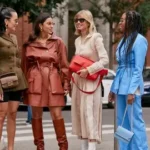

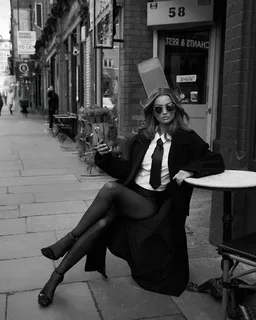
Fashion has always found ways to communicate status. At different moments in history, wealth was announced through elaborate embroidery, oversized logos, sparkling embellishments, or designer labels impossible to miss. The message was clear. Luxury was meant to be seen from across the room. Today, that message feels less universal. A growing number of people with the means to buy almost anything are choosing clothing that whispers instead of shouts.
Quiet luxury has become one of the most talked-about style movements because it challenges long-held assumptions about what expensive fashion should look like. Instead of relying on obvious branding or trend-driven pieces, it celebrates craftsmanship, exceptional materials, and understated design. The appeal extends beyond clothing. It reflects a broader cultural shift toward intentional consumption, where confidence comes from quality rather than visibility.
What Is Quiet Luxury?
Quiet luxury is an approach to fashion that values subtle sophistication over obvious displays of wealth. Clothes are carefully tailored, fabrics are chosen for their quality, and logos are either minimal or completely absent. At first glance, a quiet luxury outfit may appear simple. Looking closer often reveals premium wool, perfectly balanced proportions, precise stitching, and thoughtful construction that justify the investment.
The idea isn’t new. For decades, certain designers have focused on timeless elegance rather than seasonal spectacle. What has changed is the growing public interest in this philosophy. Social media, television, and changing consumer priorities have introduced quiet luxury to a much wider audience.
Common characteristics of quiet luxury include:
- Minimal or invisible branding.
- Neutral color palettes.
- Exceptional tailoring.
- Premium natural fabrics.
- Timeless silhouettes.
- High-quality craftsmanship.
- Pieces designed to last for years rather than seasons.
The result is a wardrobe that feels refined without demanding attention.
Why Loud Luxury Is Losing Some of Its Appeal
For years, fashion embraced visibility. Large logos, bold prints, and instantly recognizable designer pieces became symbols of success. Wearing a luxury brand often meant making sure everyone else knew it. While this style still has a devoted audience, many consumers are beginning to question whether visible branding is the only way to express personal taste.
Part of this shift comes from changing attitudes toward consumption. People are becoming more interested in buying fewer, better-made items instead of collecting trend-driven products that quickly lose their appeal. Others simply appreciate clothing that feels personal rather than promotional.
Several factors have contributed to this change:
- Greater interest in timeless wardrobes.
- Growing awareness of sustainability.
- Appreciation for quality over quantity.
- Fatigue with rapidly changing trends.
- Increased focus on craftsmanship.
- Desire for clothing that remains stylish for years.
Luxury is becoming less about proving wealth and more about making thoughtful choices.
Quality Speaks Louder Than Logos
One of the defining ideas behind quiet luxury is that quality doesn’t require explanation. A beautifully tailored coat made from fine wool often communicates more about craftsmanship than a garment covered in recognizable branding. People who appreciate clothing construction tend to notice details such as stitching, drape, fabric weight, and finishing long before they look for a logo.
This doesn’t mean logos are inherently bad. They simply aren’t the centerpiece. Quiet luxury shifts attention toward elements that cannot easily be copied by fast fashion. The value lies in how something is made rather than how loudly it announces its origin.
Here’s how the two approaches often differ:
| Quiet Luxury | Logo-Centric Luxury |
| Minimal branding | Prominent logos |
| Timeless silhouettes | Trend-focused designs |
| Investment pieces | Statement items |
| Craftsmanship first | Brand visibility first |
| Neutral colors | Bold branding elements |
| Long-term wardrobe value | Immediate visual impact |
Neither approach is universally better. They simply appeal to different ideas about personal style and self-expression.
The Rise of Timeless Dressing
Fashion trends move quickly, but timeless clothing remains relevant year after year. Quiet luxury embraces garments that resist becoming outdated. A well-cut blazer, tailored trousers, cashmere knitwear, or a structured leather handbag may be worn for many seasons without feeling old-fashioned.
This mindset often leads people to shop differently. Instead of asking whether something is trending, they ask whether they’ll still enjoy wearing it five years from now. That single question changes purchasing decisions dramatically.
Pieces commonly associated with timeless wardrobes include:
- Tailored blazers.
- Crisp white shirts.
- Cashmere sweaters.
- Straight-leg trousers.
- Quality denim.
- Wool coats.
- Leather loafers.
- Structured handbags.
These items may appear simple, but their versatility often makes them some of the hardest-working pieces in a wardrobe.
Quiet Luxury Is Also About Mindset
Perhaps the most interesting aspect of quiet luxury has little to do with clothing itself. It reflects a different relationship with consumption. Rather than constantly seeking the newest trend, many followers of this aesthetic focus on buying intentionally, maintaining their clothes carefully, and appreciating craftsmanship.
Owning fewer items doesn’t necessarily mean spending less. Instead, purchases become more deliberate. A single beautifully made coat that lasts ten years may provide greater value than several cheaper alternatives replaced every season.
This shift encourages habits such as:
- Shopping less frequently.
- Choosing quality fabrics.
- Repairing clothing instead of replacing it.
- Building versatile wardrobes.
- Prioritizing fit over trends.
- Appreciating subtle details.
For many people, quiet luxury feels less like a fashion trend and more like a long-term philosophy for dressing well.
Social Media Changed the Meaning of Luxury
It may seem surprising that an aesthetic built around subtlety gained momentum during the age of social media, where visibility often drives popularity. Yet that contrast is exactly what helped quiet luxury stand out. After years of scrolling through feeds filled with oversized logos, extravagant shopping hauls, and trend after trend, understated style began to feel refreshing.
People also became more aware that appearances online don’t always reflect reality. Wearing expensive logos no longer guaranteed genuine wealth, just as dressing simply didn’t mean someone lacked financial success. Quiet luxury shifted attention away from public approval and toward personal satisfaction, making style feel more individual than performative.
Several cultural shifts helped fuel the trend:
- Growing appreciation for timeless wardrobes.
- Increased interest in mindful spending.
- Fatigue with constantly changing microtrends.
- Greater awareness of sustainability.
- A preference for authenticity over status symbols.
- Rising admiration for craftsmanship.
The appeal isn’t about avoiding fashion. It’s about choosing clothing that feels relevant long after online trends disappear.
Fabric Matters More Than Branding
One of the easiest ways to recognize quiet luxury isn’t by looking for a logo. It’s by paying attention to the fabric. High-quality materials often drape differently, feel softer against the skin, and maintain their appearance much longer than inexpensive alternatives. These qualities aren’t always obvious in photographs, but they become immediately noticeable when worn.
Natural fibers are especially common because they offer comfort as well as longevity. A beautifully woven wool coat, a cashmere sweater, or a linen shirt often gains character with proper care instead of wearing out after one season.
Materials frequently associated with quiet luxury include:
- Cashmere.
- Merino wool.
- Linen.
- Silk.
- Organic cotton.
- Fine leather.
- Suede.
- High-quality denim.
Choosing better fabrics doesn’t require replacing an entire wardrobe overnight. Even adding a few well-made pieces can noticeably improve the overall look and feel of everyday outfits.
Tailoring Makes Ordinary Clothing Look Extraordinary
Expensive clothing doesn’t automatically fit well, and affordable clothing doesn’t have to look inexpensive. Fit is one of the biggest reasons quiet luxury appears polished without relying on obvious designer labels. Well-tailored garments create clean lines, balanced proportions, and a sense of effortlessness that branding alone cannot achieve.
Many style experts recommend spending a small amount on alterations rather than continually purchasing new clothes. A blazer adjusted at the shoulders or trousers hemmed to the correct length often look far more refined than untouched designer pieces that don’t fit properly.
Simple tailoring improvements include:
- Adjusting sleeve length.
- Hemming trousers.
- Taking in oversized jackets.
- Refining waistlines.
- Shortening dresses or skirts.
- Altering coat sleeves.
These subtle adjustments help clothing look custom-made instead of simply purchased.
Quiet Luxury Doesn’t Require a Luxury Budget
One of the biggest misconceptions surrounding quiet luxury is that it is only accessible to wealthy shoppers. While premium craftsmanship often comes with a higher price, the philosophy itself isn’t tied to a particular income level. Dressing with intention costs far less than constantly replacing trendy clothing that quickly falls out of favor.
Many people build a quiet luxury wardrobe gradually by shopping secondhand, waiting for seasonal sales, or investing in one quality item at a time. Since the focus is on timeless design, older collections often remain just as relevant as newly released pieces.
Practical ways to embrace the aesthetic include:
- Buying fewer but better-quality basics.
- Exploring vintage and resale stores.
- Prioritizing fit over labels.
- Choosing neutral colors that pair easily.
- Caring for clothing properly.
- Avoiding impulse purchases.
The goal is thoughtful consumption rather than expensive consumption.
The Difference Between Quiet Luxury and Minimalism
These two concepts are often mentioned together, but they are not exactly the same. Minimalism focuses primarily on reducing excess. Quiet luxury focuses on refinement. Someone can own very few clothes without embracing quiet luxury, while another person may have a larger wardrobe filled with beautifully crafted timeless pieces.
Understanding this distinction helps explain why quiet luxury feels more like an aesthetic than a rulebook. It values quality, but it also allows room for personality and individual style.
| Quiet Luxury | Minimalism |
| Focuses on craftsmanship | Focuses on reducing possessions |
| Values premium materials | Values simplicity |
| Prioritizes timeless elegance | Prioritizes functionality |
| May include luxury investment pieces | May include affordable essentials |
| Emphasizes understated sophistication | Emphasizes intentional living |
The two approaches often overlap, but they begin with different priorities.
Is Quiet Luxury Here to Stay?
Every fashion movement eventually faces questions about longevity. Some critics argue that quiet luxury will fade like any other trend. Others believe it represents a lasting shift in consumer values rather than a temporary aesthetic.
Its strongest advantage is that it isn’t built around novelty. Neutral tailoring, quality fabrics, and timeless silhouettes have remained stylish for decades. While the phrase “quiet luxury” may eventually become less popular, the principles behind it are unlikely to disappear.
Reasons the aesthetic has lasting appeal include:
- Timeless wardrobe staples rarely go out of style.
- Quality garments often last longer.
- Neutral pieces remain versatile.
- Consumers are becoming more selective about purchases.
- Sustainability encourages buying less but buying better.
Fashion will always evolve, but thoughtful dressing tends to outlast seasonal trends.
Frequently Asked Questions
1. What does quiet luxury mean in fashion?
Quiet luxury refers to an understated style that emphasizes exceptional craftsmanship, premium materials, timeless design, and minimal branding instead of obvious displays of wealth.
2. Is quiet luxury only for wealthy people?
No. While luxury brands often embrace the aesthetic, anyone can adopt the philosophy by choosing versatile, well-made clothing, focusing on fit, and shopping intentionally within their budget.
3. Which colors are most common in quiet luxury?
Neutral shades such as black, white, cream, beige, navy, gray, olive, and camel are commonly used because they are timeless and easy to mix and match.
4. Can quiet luxury include designer brands?
Yes. Many luxury brands produce understated collections with discreet branding. The emphasis is on quality and craftsmanship rather than making the brand name the focal point.
5. Why has quiet luxury become so popular?
Its popularity reflects changing attitudes toward fashion, including greater appreciation for timeless style, sustainability, thoughtful spending, and clothing that feels personal rather than attention-seeking.
Conclusion:
Quiet luxury has changed the conversation around wealth by suggesting that confidence doesn’t need to announce itself. Instead of measuring style through visible logos or fleeting trends, it celebrates clothing that earns attention through craftsmanship, thoughtful design, and lasting quality. Whether someone invests in luxury fashion or simply shops with greater intention, the underlying idea remains the same: true style often speaks most clearly when it doesn’t have to raise its voice.
Call to Action
Take a closer look at your wardrobe before your next purchase. Notice which pieces you reach for repeatedly, which fabrics have stood the test of time, and which garments still make you feel confident years after buying them. Building a wardrobe around quality, fit, and timeless design is less about following a trend and more about discovering a personal style that continues to feel relevant season after season.