
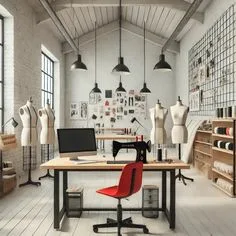
There’s something satisfying about spotting an overlooked jacket in a thrift store and instantly seeing what it could become. While someone else walks past it without a second glance, you’re already imagining new buttons, shorter sleeves, or a tailored fit that could make it look as though it came straight from an upscale boutique. That’s the magic of thrift flipping. It isn’t about hiding where your clothes came from. It’s about seeing potential where others see clutter.
As secondhand fashion becomes more popular, thrift flipping has evolved from a niche hobby into a creative way to build a wardrobe with personality. Instead of spending hundreds on designer pieces, shoppers are transforming affordable finds into garments that feel unique, expensive, and entirely their own. The best part is that you don’t need advanced sewing skills or a room full of professional equipment to get started.
What Is a Thrift Flip?
A thrift flip is the process of buying secondhand clothing and modifying it to better suit your personal style. Sometimes the transformation is dramatic, such as turning an oversized men’s blazer into a fitted cropped jacket. Other times it’s surprisingly simple, like replacing outdated buttons, shortening a hem, or adjusting the fit with basic alterations.
The goal isn’t to disguise the garment’s history. It’s to improve what already exists. Many thrift stores are filled with high-quality fabrics and well-made clothing that only need a few thoughtful updates to feel modern again.
Common thrift flip projects include:
- Cropping oversized shirts.
- Tailoring oversized blazers.
- Turning long dresses into midi styles.
- Replacing buttons on coats and jackets.
- Dyeing faded garments.
- Adding decorative embroidery.
- Shortening sleeves or hems.
- Transforming oversized jeans into fitted styles.
Every successful flip starts with recognizing potential rather than focusing on imperfections.
Why Secondhand Clothes Make Great Designer Alternatives
Designer clothing is often admired for its craftsmanship, fabric quality, and timeless silhouettes. Interestingly, many older secondhand garments share those same qualities. Vintage wool coats, structured blazers, linen shirts, and genuine leather accessories were often made with durable materials that are becoming less common in mass-produced clothing today.
Rather than paying premium prices for new designer-inspired fashion, thrift shoppers can often find garments with excellent construction at a fraction of the cost. A few alterations then help bridge the gap between outdated and contemporary.
Here’s why thrifted clothing works so well for transformations:
| Thrifted Pieces | Designer-Inspired Advantage |
| Vintage blazers | Structured tailoring |
| Wool coats | Premium natural fabrics |
| Men’s oversized shirts | Relaxed luxury styling |
| Leather bags | Timeless craftsmanship |
| Denim jackets | Durable construction |
| Linen garments | Elegant texture and drape |
Quality is often easier to upgrade than poor construction, making secondhand clothing an excellent starting point.
Learn to See Potential Instead of Problems
The biggest difference between experienced thrift shoppers and beginners isn’t luck. It’s perspective. New shoppers tend to judge clothes exactly as they appear on the rack. Experienced thrifters imagine what they could become after a few simple adjustments.
An oversized blazer might seem overwhelming until you picture shortened sleeves and a tailored waist. A dated maxi dress may only need a new hemline and modern accessories. Even faded denim can become a favorite piece after careful distressing or dyeing.
Before rejecting an item, consider:
- Is the fabric in good condition?
- Can the fit be adjusted?
- Would different buttons improve the look?
- Is the color easy to dye?
- Does the garment have strong construction?
- Can it be styled differently?
Looking beyond the current appearance opens up far more possibilities than shopping only for ready-to-wear pieces.
Start With Easy Projects Before Complex Alterations
It’s tempting to tackle ambitious transformations immediately, but simple projects build confidence much faster. Basic alterations also require fewer tools and produce noticeable results without overwhelming beginners.
Changing small details often creates the biggest visual improvement. Swapping plastic buttons for metal ones, removing shoulder pads, hemming trousers, or replacing an old belt can modernize a garment within an afternoon.
Beginner-friendly thrift flips include:
- Replacing buttons.
- Cropping oversized T-shirts.
- Hemming jeans.
- Removing unnecessary embellishments.
- Dyeing white or faded garments.
- Adding patches or embroidery.
- Shortening dress lengths.
- Rolling or tapering sleeves.
Mastering these techniques creates a strong foundation before moving on to more advanced sewing projects.
Invest in a Few Basic Tools
You don’t need a professional fashion studio to transform secondhand clothing. A small collection of reliable tools can handle most beginner thrift flips while remaining affordable enough for casual hobbyists.
Quality tools also make projects much easier. Sharp fabric scissors produce cleaner cuts, while a good measuring tape helps prevent uneven hems and inaccurate alterations.
Consider keeping these essentials on hand:
- Fabric scissors.
- Measuring tape.
- Sewing needles.
- Neutral thread.
- Fabric chalk.
- Seam ripper.
- Straight pins.
- Iron and ironing board.
- Fabric glue for simple no-sew projects.
- Basic sewing machine if you plan to tackle larger alterations.
Starting with the right equipment makes the learning process smoother and helps produce more polished results.
Focus on Fit Before Following Trends
One reason designer clothing looks so polished has little to do with the brand name. It fits well. Even a simple white shirt can look expensive when the shoulders sit correctly, the sleeves end at the right point, and the overall silhouette complements the body. The same principle applies to thrifted clothing.
Instead of searching only for trendy pieces, pay close attention to garments with good structure and quality fabrics. Minor adjustments can often transform an average-looking item into one that appears custom-made. Tailoring is usually far more affordable than buying a comparable designer piece.
Simple alterations that make a big difference include:
- Shortening sleeves.
- Hemming trousers or skirts.
- Taking in oversized shirts.
- Adjusting waistlines.
- Narrowing pant legs.
- Removing bulky shoulder pads from vintage jackets.
A garment that fits beautifully almost always looks more expensive than one with a famous label but poor proportions.
Upgrade the Details That People Notice
Luxury fashion often stands out because of thoughtful finishing touches rather than dramatic designs. Buttons, zippers, stitching, and hardware all influence how premium a garment appears. Fortunately, these details are also among the easiest to update on thrifted clothing.
Replacing inexpensive plastic buttons with metal, wooden, or pearl-style alternatives can completely change the character of a blazer or cardigan. Swapping worn zipper pulls or adding a quality leather belt creates a similar effect without requiring advanced sewing skills.
Easy upgrades include:
- Replacing outdated buttons.
- Changing belt buckles.
- Adding decorative metal hardware.
- Sewing on premium-looking labels for organization.
- Updating drawstrings with thicker cords.
- Replacing worn shoelaces.
- Polishing metal accessories.
These small improvements often create a much greater impact than complicated redesigns.
Don’t Overlook the Men’s Section
Many experienced thrift shoppers head straight to the men’s department before browsing anywhere else. Oversized shirts, structured blazers, denim jackets, and wool coats often provide excellent raw material for modern outfits. Their relaxed silhouettes also align with many current fashion trends.
An oversized men’s button-down can become a chic shirt dress with a belt. A boxy blazer may only need slight tailoring to resemble an expensive oversized designer jacket. Even men’s knitwear often offers premium wool at prices significantly lower than buying similar pieces new.
Items worth searching for include:
- Oversized white shirts.
- Wool blazers.
- Leather jackets.
- Cashmere sweaters.
- Straight-leg denim.
- Linen shirts.
- Vintage trench coats.
Shopping across departments expands your options and often uncovers hidden gems that other shoppers overlook.
Learn Basic Color and Fabric Dyeing
Sometimes the shape of a garment is perfect, but the color feels dated. Instead of putting it back on the rack, consider whether dyeing could completely change its appearance. Fabric dye can revive faded black clothing, modernize bright colors, or create rich neutral shades that feel more current.
Success depends on understanding fabric composition. Natural fibers such as cotton, linen, rayon, and some blends generally accept dye more effectively than synthetic materials.
Popular dye transformations include:
| Original Color | Updated Color |
| Faded black | Deep black |
| White | Olive green |
| Beige | Chocolate brown |
| Light gray | Charcoal |
| Pale denim | Dark indigo |
| Cream | Forest green |
Always check fabric labels before dyeing to achieve the best possible results.
Style Matters as Much as the Flip
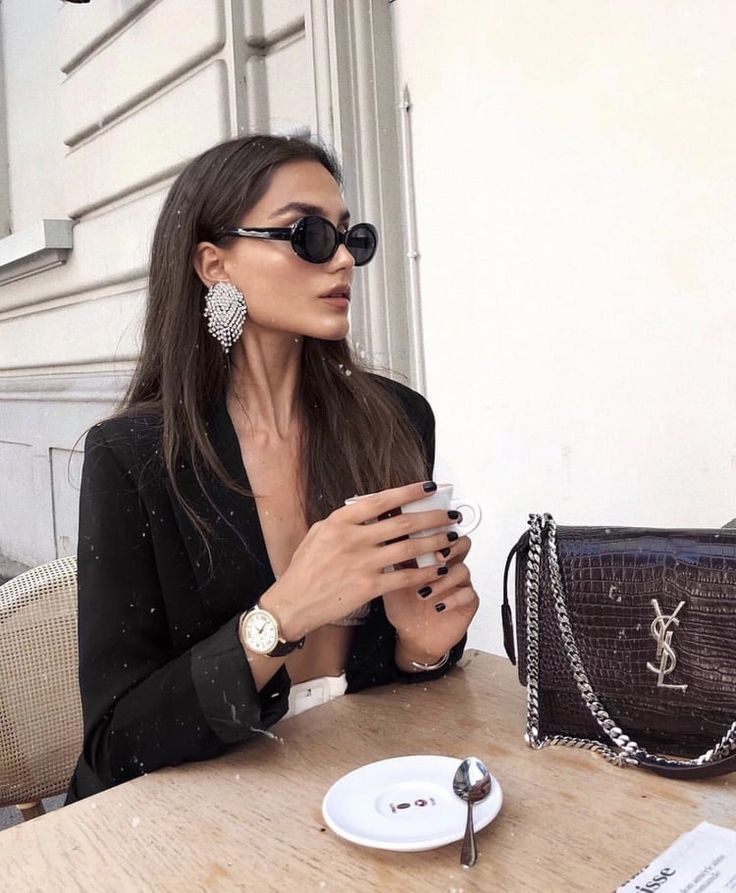
Even beautifully altered clothing can look ordinary if it’s styled without intention. Much of the designer-inspired aesthetic comes from how garments are combined rather than the garments themselves. A thrifted blazer paired with tailored trousers, loafers, and a structured handbag creates an entirely different impression than the same blazer worn carelessly.
Accessories also help elevate secondhand pieces. Clean shoes, quality belts, minimal jewelry, and thoughtful layering create a polished appearance without drawing attention to where individual items came from.
Simple styling habits include:
- Tucking oversized shirts neatly.
- Rolling blazer sleeves for a relaxed look.
- Layering knitwear over collared shirts.
- Choosing neutral accessories.
- Keeping shoes clean and well maintained.
- Mixing textures such as denim, wool, and leather.
The goal isn’t to imitate a designer look exactly. It’s to create an outfit that feels intentional and balanced.
Common Thrift Flip Mistakes to Avoid
Every thrift enthusiast has purchased something that seemed full of potential but never became the project they imagined. While experimentation is part of the fun, a few common mistakes can quickly turn an exciting find into wasted money and time.
The biggest mistake is buying clothing simply because it’s inexpensive. A bargain isn’t truly a bargain if it remains untouched in your closet for years. Start with garments you genuinely like and improve them rather than hoping every purchase will become a masterpiece.
Mistakes to watch for include:
- Buying items with permanent stains.
- Ignoring damaged fabric.
- Choosing the wrong size for alterations.
- Starting overly complicated projects too soon.
- Forgetting to wash garments before altering them.
- Using dull scissors or poor-quality tools.
- Buying clothes without a clear plan.
A thoughtful purchase almost always leads to a more satisfying transformation.
Frequently Asked Questions
1. Do I need sewing experience to start thrift flipping?
No. Many beginner projects involve replacing buttons, hemming garments with fabric tape, dyeing clothing, or making simple alterations that require little or no sewing experience.
2. What are the best items to thrift flip?
Oversized blazers, men’s shirts, denim jackets, jeans, midi dresses, wool coats, and linen garments are among the easiest pieces to update because they usually have timeless construction.
3. Can thrift flips really look like designer clothing?
Yes. High-quality fabrics, proper tailoring, thoughtful styling, and upgraded details often create a polished appearance that resembles premium fashion without the designer price tag.
4. Is thrift flipping cheaper than buying new clothes?
In many cases, yes. Even after paying for alterations or supplies, transforming secondhand clothing is often significantly less expensive than purchasing comparable high-end pieces.
5. Where can I find the best thrift flip items?
Local thrift stores, charity shops, vintage boutiques, flea markets, estate sales, and online resale platforms are excellent places to search for quality garments with transformation potential.
Conclusion:
Thrift flipping proves that great style isn’t determined by a price tag. With a little creativity, a few practical skills, and an eye for quality, overlooked secondhand pieces can become some of the most distinctive items in your wardrobe. The process is as rewarding as the finished result because every transformation reflects your own creativity rather than someone else’s trend.
Call to Action
The next time you visit a thrift store, challenge yourself to look beyond what a garment is and imagine what it could become. Start with one simple project, experiment with small alterations, and let each successful flip build your confidence. You may discover that the most memorable pieces in your wardrobe are the ones you created yourself.