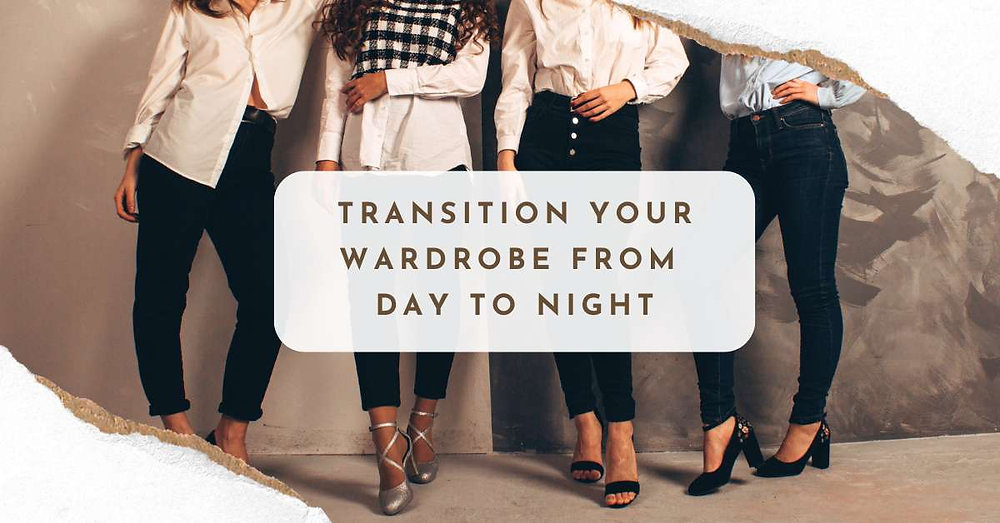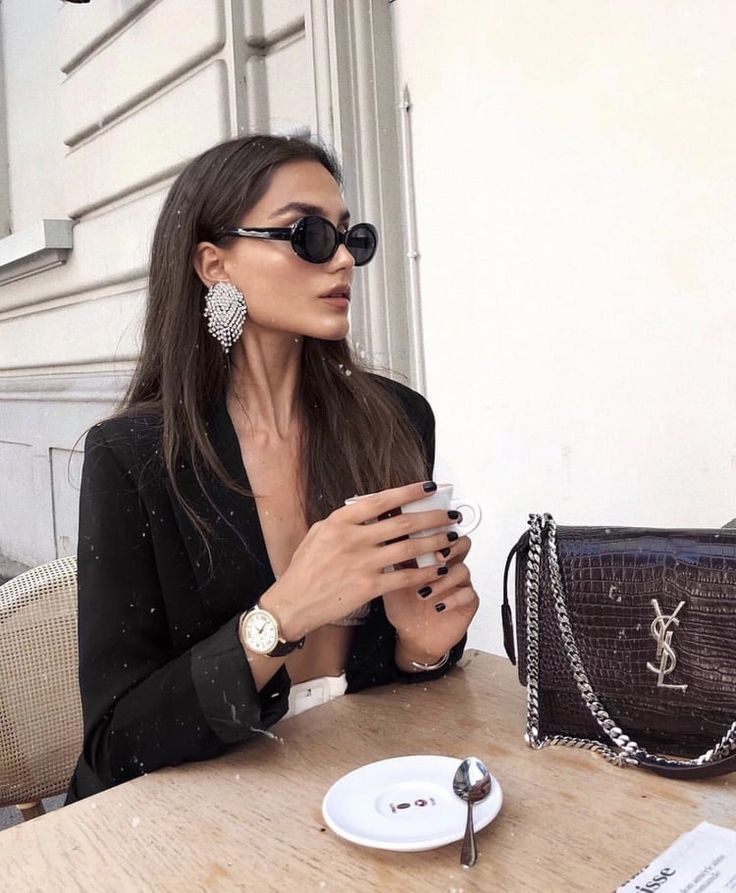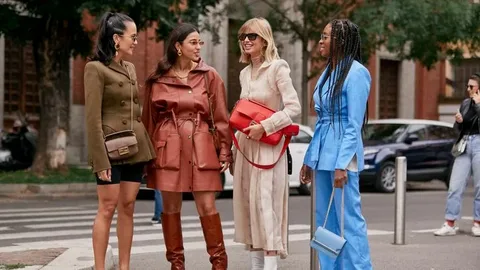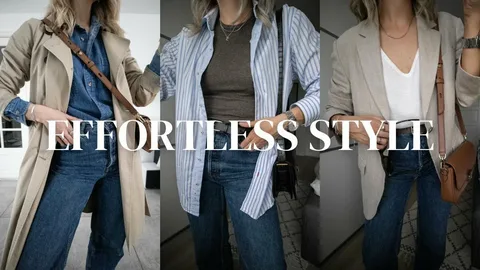

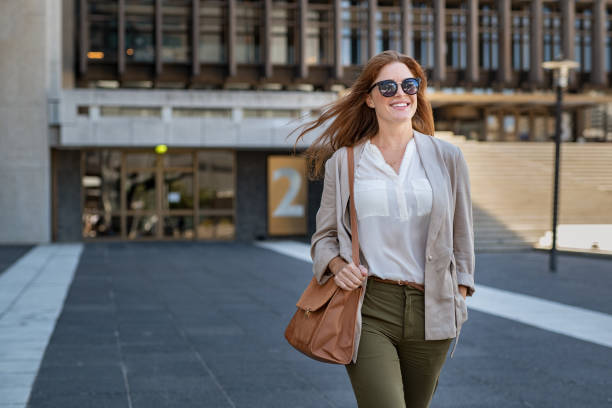
Fashion is more than fabric stitched into clothing; it is a silent language that speaks before you even say a word. Every outfit you choose carries meaning, reflecting mood, personality, and even your inner confidence levels. Whether it’s a crisp shirt for a meeting or relaxed casual wear for a weekend outing, what you wear subtly shapes how you feel and how others perceive you.
What makes fashion so powerful is its ability to influence both internal emotion and external perception at the same time. The mind often responds to clothing before logic steps in, forming subtle shifts in posture, energy, and behavior. This is why two people wearing different outfits in the same environment can experience completely different levels of confidence and comfort.
The connection between clothing and mindset runs deeper than trends or aesthetics. It influences emotional expression, self-image, and daily interactions in ways most people don’t consciously notice. Understanding this relationship helps you use fashion as a tool not just for style, but for building presence, assurance, and personal identity in everyday life.
When you begin to observe how certain outfits change your mood or attitude, fashion transforms from a surface-level habit into a psychological advantage. It becomes something you can intentionally use to support your goals, whether that’s performing better at work, feeling more social, or simply carrying yourself with ease.
The Psychology Behind What You Wear
Clothing affects the brain through a concept often linked to “enclothed cognition,” where attire influences mental processes and behavior. What you wear can subtly shift your focus, posture, and even decision-making patterns. This is not just about looking different—it is about thinking differently based on what surrounds your body.
The brain associates clothing with past experiences, expectations, and social meaning. Over time, these associations become automatic triggers that influence how you behave in certain outfits. A formal suit may activate a “professional mindset,” while casual wear may signal relaxation and downtime.
How clothing affects perception and behavior
The clothes you choose can activate different psychological responses, both internally and externally. They shape how confident, focused, or relaxed you feel in a given moment, often without you noticing the shift.
- Structured outfits often encourage discipline, sharper focus, and alertness in decision-making
- Soft, loose clothing promotes relaxation, emotional ease, and reduced mental pressure
- Formal wear can enhance authority, self-control, and perceived competence in social settings
These responses may seem subtle, but they build over time and shape your overall behavioral patterns. That is why consistent clothing choices can gradually influence personality expression.
Fashion as a Reflection of Identity
Fashion plays a major role in expressing who you are without speaking. It becomes a visual representation of your personality, values, lifestyle, and even your aspirations. In many cases, your outfit communicates your identity before you have the chance to introduce yourself.
People often underestimate how closely style is tied to self-perception. The way you dress can either reinforce confidence in your identity or create internal discomfort if there is a mismatch between appearance and self-image.
Personal style as self-expression
Your wardrobe acts as a storytelling tool, revealing parts of your identity that words may not fully capture. It becomes a mirror of your inner world and evolving personality over time.
- Bold colors may reflect confidence, openness, or creative thinking
- Minimalist styles often indicate clarity, control, and simplicity in mindset
- Cultural or vintage pieces can highlight heritage, emotional connection, or nostalgia
As personal style evolves, it often mirrors personal growth. Many people find that changes in life direction naturally lead to changes in fashion choices.
The Link Between Clothing and Confidence
Confidence is deeply tied to how comfortable and aligned you feel in what you wear. When your outfit feels “right,” your body language naturally improves, and your interaction with others becomes more fluid and assured.
Clothing does not create confidence from nothing, but it can amplify the confidence that already exists within you. It acts as a support system for your mindset, reinforcing how you want to feel in a given moment.
Why dressing well changes your mindset
Dressing intentionally can trigger a psychological shift that improves self-assurance and presence in social or professional situations. This shift often happens within minutes of changing your outfit.
- Well-fitted clothing improves posture, movement, and body awareness naturally
- Coordinated outfits reduce self-consciousness and overthinking in public spaces
- Familiar “favorite outfits” create emotional stability and a sense of control
Over time, people often associate certain outfits with success or positive experiences, which strengthens confidence further.
Color Psychology in Fashion Choices
Colors are powerful emotional triggers that influence mood, perception, and even physiological responses. They play a major role in shaping how outfits are experienced psychologically, both by the wearer and the observer.
Color psychology in fashion is not about rigid rules but about emotional influence. Different shades can subtly shift energy levels, attention, and emotional tone in daily life.
Emotional impact of different colors
Each color carries its own psychological association, influencing both the wearer and the observer in subtle but meaningful ways.
- Black often represents power, elegance, mystery, and emotional control
- Blue is associated with calmness, trust, emotional balance, and stability
- Red signals energy, passion, urgency, and strong attention-grabbing presence
When used intentionally, color can enhance how your outfit communicates mood and intention without saying a word.
The Role of Fashion in Social Situations
What you wear often affects how others respond to you in social environments. Fashion becomes a social signal that helps shape first impressions, expectations, and interaction dynamics.
In many cases, people decide how to approach you based on visual cues long before conversation begins. Clothing helps set the tone for that interaction.
First impressions and visual communication
People form opinions within seconds, and clothing plays a key role in that instant judgment process. This makes dressing a form of non-verbal communication.
- Professional attire enhances credibility and trust in workplace environments
- Casual wear can make you appear approachable, friendly, and relaxed
- Trend-aligned outfits may signal awareness, relevance, and cultural engagement
These impressions are not permanent, but they often influence how initial interactions unfold.
Lifestyle Influence on Everyday Dressing
Fashion is not separate from lifestyle; it is deeply woven into daily habits, routines, environments, and personal priorities. Your clothing choices often reflect how you live rather than just how you want to look.
Different lifestyles naturally demand different types of clothing, and over time, these needs shape your personal wardrobe identity.
How daily routines shape wardrobe decisions
Your day-to-day activities naturally influence what you wear and how you style yourself, often without conscious planning.
- Active lifestyles favor breathable fabrics, flexibility, and movement-friendly designs
- Office routines require structured, polished, and consistency-driven dressing styles
- Creative lifestyles allow experimentation, layering, and expressive combinations
As lifestyle changes occur, wardrobe choices tend to evolve in response.
Building Confidence Through Intentional Styling
Intentional styling is about making conscious choices rather than random selections. It helps create alignment between how you feel internally and how you present yourself externally.
This alignment reduces internal conflict and increases clarity in self-image, making daily dressing a more purposeful experience.
Developing a signature style identity
Having a recognizable style reduces decision fatigue and strengthens self-image over time. It also helps others understand your visual identity more clearly.
- Invest in versatile wardrobe staples that can adapt to multiple settings
- Choose outfits aligned with personality traits and long-term lifestyle goals
- Experiment gradually to refine and evolve your personal aesthetic direction
A strong style identity does not mean repetition—it means consistency with flexibility.
FAQs
1. How does fashion affect confidence psychologically?
Fashion affects confidence by influencing how you perceive yourself in the mirror and how you carry your body. When clothing aligns with identity, confidence naturally increases.
2. Can clothing really change your mood?
Yes, clothing can influence mood through psychological association, comfort, and color perception. Certain outfits can uplift energy while others create calmness.
3. What is enclothed cognition in fashion?
Enclothed cognition is the psychological effect where clothing influences mental processes and behavior. It explains how outfits can change focus, confidence, and performance.
4. How important is color in outfit selection?
Color is highly important because it affects emotional response and perception. Different colors can communicate different moods and influence how others respond to you.
5. How do I build confidence through fashion?
Confidence can be built by choosing well-fitted clothing, understanding your personal style, and dressing in alignment with your identity and lifestyle.
Conclusion:
The psychology of fashion goes far beyond surface appearance; it is a continuous interaction between mind, body, and environment. Every outfit becomes part of a larger emotional and psychological experience that shapes how you move through the world.
When you understand this connection, clothing stops being random and starts becoming intentional. You begin to recognize patterns—what makes you feel confident, what boosts your energy, and what helps you present your best self in different situations.
Fashion, in this sense, becomes a form of daily self-communication. It reflects not only who you are but also who you are becoming over time.
When Your Wardrobe Becomes Your Voice
The way you dress is not just about looking good—it is about feeling aligned with who you are becoming. Every outfit you choose is a quiet statement about confidence, direction, and self-respect. When your style reflects your mindset, it stops being just clothing and starts becoming identity in motion.
There is a subtle shift that happens when you begin dressing with intention. You walk differently, speak more clearly, and carry yourself with a sense of grounded presence that others naturally notice. This is where fashion stops being external and starts becoming deeply personal.