
For decades, luxury fashion followed a simple formula: make the logo impossible to miss. Monograms covered handbags, oversized brand names stretched across T-shirts, and recognizable patterns became status symbols. Owning luxury wasn’t just about quality. It was about making sure everyone else knew you owned it. That strategy built billion-dollar fashion houses and shaped consumer behavior for generations.
A different approach has quietly taken center stage. Many shoppers with the means to buy luxury no longer feel the need to broadcast it. They’re choosing beautifully tailored coats with no visible branding, leather bags recognized only by those familiar with craftsmanship, and wardrobe staples that look understated rather than attention-grabbing. This isn’t simply another fashion trend. It’s a marketing shift that is changing how premium brands position themselves, attract customers, and build long-term value.
What Does Quiet Luxury Actually Mean?
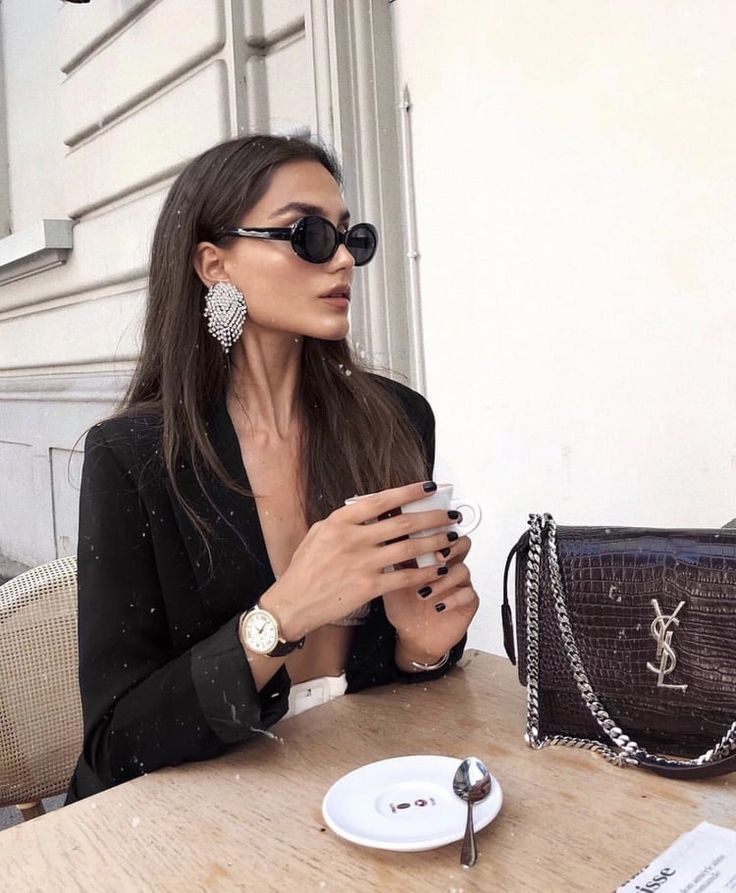
Quiet luxury refers to high-quality clothing and accessories that prioritize craftsmanship, materials, fit, and timeless design instead of bold logos or obvious branding. The appeal lies in subtlety. A cashmere sweater doesn’t need a large designer name across the chest to communicate quality if the fabric, construction, and fit already speak for themselves.
This philosophy doesn’t reject luxury. It redefines how luxury is communicated. Instead of relying on instant recognition from strangers, quiet luxury focuses on personal satisfaction and lasting value. Customers buy these products because they appreciate the details, not because they want immediate public validation.
Some defining characteristics include:
- Minimal or invisible logos.
- Premium fabrics.
- Timeless color palettes.
- Exceptional tailoring.
- Long-lasting construction.
- Classic silhouettes.
- Versatile wardrobe pieces.
Why Logomania Dominated for So Long
Visible branding wasn’t an accident. Luxury companies spent decades building logos into some of the world’s most valuable business assets. Every recognizable monogram acted as free advertising whenever customers carried a handbag or wore a branded hoodie in public.
That visibility created aspiration. Consumers didn’t simply purchase products. They bought symbols associated with success, exclusivity, and lifestyle. As demand grew, logos became central to luxury marketing strategies because they helped brands stand out in increasingly crowded markets.
The business advantages of logomania included:
| Benefit | Business Impact |
| Instant recognition | Increased brand awareness |
| Strong visual identity | Easier global marketing |
| Social status appeal | Higher consumer demand |
| Brand loyalty | Repeat purchases |
| Premium pricing | Greater profit margins |
Why Consumer Preferences Are Changing
Today’s luxury customer often thinks differently from previous generations. Social media exposed audiences to endless displays of designer goods, making obvious branding feel less exclusive than it once did. When everyone can recognize the same handbag from across the room, exclusivity begins to lose some of its power.
Many shoppers are also becoming more thoughtful about long-term purchases. Instead of chasing seasonal trends, they’re investing in clothing that remains relevant for years. Quality, versatility, and durability have become stronger selling points than oversized logos.
Several factors have contributed to this shift:
- Greater interest in timeless wardrobes.
- Rising awareness of craftsmanship.
- Fatigue with highly branded products.
- Growth of capsule wardrobes.
- Increased focus on value over trends.
- Social media creating logo saturation.
Quiet Luxury Is Really About Brand Positioning
From a marketing perspective, quiet luxury isn’t simply a design philosophy. It’s a positioning strategy. Brands that embrace understated design aren’t trying to appeal to everyone. They’re targeting customers who appreciate subtle quality and don’t need public recognition to justify a purchase.
That positioning creates a sense of exclusivity that’s difficult to replicate. Instead of saying, “Look at our logo,” these brands communicate confidence through materials, tailoring, and consistency. Their products become recognizable to informed customers rather than the general public.
The positioning strategy often focuses on:
- Heritage and craftsmanship.
- Premium materials.
- Consistent product quality.
- Limited trend dependence.
- Long-term customer loyalty.
- Emotional rather than status-driven purchases.
Why Scarcity Still Matters
Luxury has always depended on scarcity, but quiet luxury creates exclusivity differently. Rather than relying on large logos to signal prestige, many brands limit production, maintain consistent quality standards, and avoid chasing every fashion trend.
Customers often value products that aren’t immediately identifiable because they feel more personal. Recognition comes from knowledge instead of visibility. Someone familiar with luxury tailoring may recognize a coat by its cut or fabric, while everyone else simply sees elegant clothing.
Brands strengthen exclusivity by:
- Producing smaller collections.
- Prioritizing craftsmanship over volume.
- Maintaining consistent quality.
- Avoiding excessive discounting.
- Limiting distribution channels.
- Focusing on loyal customers rather than mass appeal.
The Brands Leading the Quiet Luxury Movement
Quiet luxury isn’t tied to a single fashion house. Several brands have built loyal customer bases by focusing on quality rather than visibility. While each has its own identity, they share a similar philosophy: the product should be the centerpiece, not the logo.
These brands rarely depend on oversized branding to justify premium prices. Instead, they invest in craftsmanship, premium materials, timeless silhouettes, and consistent quality. Customers return because they trust what they’re buying, not because a product looks trendy for one season.
Here’s how quiet luxury compares with traditional logomania:
| Quiet Luxury | Logomania |
| Minimal branding | Large visible logos |
| Timeless designs | Trend-driven collections |
| Focus on craftsmanship | Focus on brand visibility |
| Long product lifespan | Often tied to seasonal trends |
| Understated elegance | Instant recognition |
| Personal satisfaction | Public status signaling |
Why Quiet Luxury Creates Stronger Customer Loyalty
One of the biggest advantages of quiet luxury is that it encourages emotional loyalty instead of trend-based loyalty. A customer who buys a beautifully tailored wool coat because it fits perfectly is more likely to trust the brand again than someone who purchased a logo hoodie simply because it was fashionable that year.
This changes the relationship between the customer and the business. Instead of constantly chasing the next viral product, quiet luxury brands invest in long-term credibility. Their customers often return because previous purchases have lasted, performed well, and continued to look stylish years later.
Brands strengthen loyalty by:
- Delivering consistent product quality.
- Offering timeless wardrobe essentials.
- Maintaining reliable sizing and fit.
- Avoiding dramatic design changes every season.
- Providing excellent customer service.
- Building trust through product performance.
The Financial Advantage of Timeless Products
Fashion trends move quickly, but timeless clothing continues generating sales for years. That’s an important business advantage. Companies don’t need to redesign every product every season if customers remain interested in classic pieces.
Longer product life cycles also simplify inventory planning. Instead of relying on one viral collection, brands can continue selling proven designs while introducing smaller updates. This creates more predictable revenue and reduces the pressure to constantly chase trends.
Some financial benefits include:
| Business Benefit | Why It Matters |
| Longer product lifespan | Generates revenue over multiple seasons |
| Lower markdown risk | Timeless items sell for longer periods |
| Better inventory planning | More predictable demand |
| Higher customer retention | Repeat purchases become more common |
| Stronger brand equity | Reputation grows with consistent quality |
Social Media Didn’t Kill Quiet Luxury. It Helped It Grow.
At first glance, quiet luxury seems like the opposite of social media culture. Platforms filled with flashy fashion trends don’t appear to favor understated clothing. Yet social media has actually helped fuel the movement.
Fashion creators now spend more time discussing fabrics, tailoring, fit, and wardrobe longevity than they did a decade ago. Consumers have become better educated, making purchasing decisions based on quality reviews instead of logo recognition alone.
Content that performs well often includes:
- Capsule wardrobe guides.
- Fabric comparisons.
- Styling one item multiple ways.
- Cost-per-wear discussions.
- Quality reviews.
- Behind-the-scenes craftsmanship videos.
Can Logomania Still Be Successful?
Absolutely. Many luxury brands continue generating enormous revenue through recognizable branding. Logos remain valuable because they provide instant brand recognition and appeal to consumers who enjoy expressive fashion.
The difference is that today’s market supports both approaches. Some shoppers enjoy bold statement pieces, while others prefer understated elegance. Smart fashion businesses understand that success comes from maintaining a clear identity rather than trying to satisfy every customer.
The two strategies appeal to different audiences:
| Quiet Luxury Customer | Logomania Customer |
| Values craftsmanship | Values brand recognition |
| Buys for longevity | Buys for visibility |
| Prefers timeless style | Enjoys trend-driven fashion |
| Focuses on quality | Focuses on status expression |
| Often builds capsule wardrobes | Often follows seasonal collections |
Lessons Every Fashion Business Can Learn
Not every clothing company sells luxury products, but every business can learn from the quiet luxury movement. The biggest lesson isn’t to remove logos. It’s to understand what customers truly value.
When products consistently deliver quality, businesses spend less time convincing customers to buy and more time earning repeat business. Strong brand positioning comes from delivering a clear promise and fulfilling it year after year.
Fashion businesses can apply these lessons by:
- Investing in product quality before marketing.
- Developing a recognizable design language.
- Building trust through consistency.
- Avoiding unnecessary trend chasing.
- Creating products with longer life cycles.
- Positioning the brand around values rather than hype.
Frequently Asked Questions
1. What is quiet luxury?
Quiet luxury refers to premium fashion that emphasizes craftsmanship, quality materials, and timeless design instead of prominent logos or flashy branding.
2. Why are quiet luxury brands becoming more popular?
Many consumers now value long-lasting quality, versatility, and understated elegance over visible status symbols, making quiet luxury more appealing.
3. Does quiet luxury mean expensive clothing?
Not necessarily. While many quiet luxury brands operate in the premium market, the philosophy focuses on quality and longevity rather than price alone.
4. Is logomania disappearing?
No. Logomania remains successful for many brands. It simply shares the market with consumers who increasingly prefer subtle, timeless fashion.
5. What can fashion businesses learn from quiet luxury?
Brands can strengthen customer loyalty by focusing on product quality, consistent positioning, timeless design, and long-term value instead of relying only on recognizable logos.
Conclusion:
Quiet luxury has proven that strong branding doesn’t always require visible branding. By prioritizing craftsmanship, consistency, and timeless appeal, these brands have built loyal customer bases that value lasting quality over instant recognition. In a fashion industry driven by constant change, that quiet confidence has become one of the strongest competitive advantages a business can have.
Call to Action
Whether you’re building a fashion brand or simply interested in how successful businesses position themselves, pay attention to the quiet luxury movement. Its success offers valuable lessons about customer trust, product quality, and the power of creating value that speaks louder than any logo ever could.