

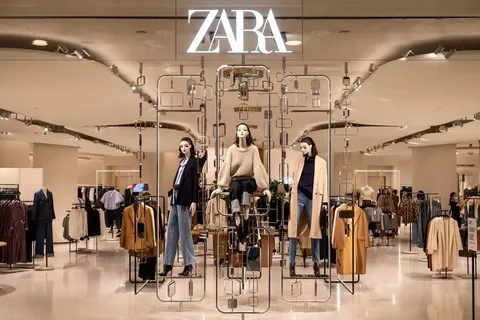
Walk into almost any Zara store and you’ll notice the same rhythm. New collections arrive constantly, displays change at remarkable speed, and shoppers know that if they don’t buy something today, there’s a good chance it won’t be there tomorrow. That sense of urgency has powered Zara’s business for decades. Yet the company recently made a move that seemed almost contradictory. Instead of encouraging customers to replace old clothes with new ones, it began helping them sell, repair, and donate garments they already owned.
At first glance, the idea looks like a sustainability campaign. Dig a little deeper and a different story emerges. Zara Pre-Owned isn’t simply about extending the life of clothing. It’s about extending the life of customer relationships. Rather than allowing second-hand marketplaces to profit from Zara products after the initial sale, the brand has found a way to remain involved long after shoppers leave the checkout counter. It’s a subtle shift, but one that could reshape how fashion businesses think about growth in an industry where new customer acquisition keeps getting more expensive.
Why Fashion Brands Ignored Resale for So Long
For years, fashion companies treated the second-hand market as someone else’s business. Once a customer bought a jacket or a pair of jeans, the transaction was complete. If those items later appeared on resale platforms or in thrift stores, the original brand earned nothing.
That approach made sense when resale represented a relatively small share of the apparel market. Running a resale operation required logistics, authentication, customer support, repairs, and digital infrastructure that many brands didn’t want to build. It was easier to focus on producing new collections than worrying about products that had already been sold.
Consumer behavior changed faster than many companies expected. Online marketplaces made buying and selling used clothing remarkably simple. A Zara blazer purchased for one occasion could appear online the following week, reaching buyers who preferred lower prices or wanted discontinued styles.
The numbers began telling an uncomfortable story. Millions of garments carrying well-known brand names were generating value every day, but that value flowed almost entirely to third-party platforms. Fashion labels had created products people wanted to buy twice, yet they only earned revenue the first time.
That realization forced many executives to rethink an assumption that had existed for decades.
What Exactly Is Zara Pre-Owned?
Zara Pre-Owned isn’t just a marketplace for used clothing. It’s an ecosystem designed to keep Zara products circulating while keeping customers connected to the brand.
Instead of limiting its role to manufacturing and retail, Zara now participates in several stages of a garment’s life. Customers can list eligible Zara items for resale through the platform, request repairs for damaged clothing, or donate pieces that are still wearable.
Each service addresses a different customer need. Someone with a torn seam doesn’t necessarily want a replacement. Someone cleaning out a wardrobe may prefer selling clothes rather than throwing them away. Another shopper may be looking for an affordable Zara piece that’s no longer available in stores.
The model creates multiple touchpoints between customers and the brand after the initial purchase.
Rather than viewing ownership as the end of the customer journey, Zara treats it as the beginning of a longer relationship.
The Business Logic Behind Zara Pre-Owned
Many discussions around resale focus almost entirely on environmental benefits. Those benefits matter, but businesses rarely invest significant resources without expecting financial returns.
The resale business model offers several commercial advantages that traditional retail cannot match.
| Traditional Retail Model | Zara Pre-Owned Model |
| Revenue mainly comes from new products | Revenue opportunities continue after the first sale |
| Limited interaction after purchase | Ongoing customer engagement |
| Products leave the ecosystem | Products remain connected to the brand |
| Customer relationship often ends at checkout | Multiple opportunities to reconnect with buyers |
| Competitors benefit from resale demand | Brand participates in resale activity |
Notice that the biggest difference isn’t simply selling used clothing. It’s extending the commercial lifespan of every product the company manufactures.
That’s a meaningful shift in thinking.
Every Garment Becomes a Long-Term Business Asset
Traditional retail treats inventory as valuable until it’s sold.
After that point, attention shifts to the next collection.
Zara Pre-Owned changes that perspective. A coat sold today may create another transaction two years later. It may generate repair income. It may encourage another customer to visit Zara’s digital platform for the first time.
Each garment becomes capable of supporting multiple interactions instead of just one.
Think about luxury watches. Brands have understood for decades that resale strengthens brand value because products continue attracting buyers long after the original purchase. Fashion companies historically overlooked this opportunity because clothing was viewed as seasonal rather than collectible.
Changing consumer attitudes have blurred that distinction.
Many shoppers now search specifically for previous collections, discontinued designs, or affordable alternatives to current pricing. That demand already existed. Zara simply decided to participate in it instead of watching others profit.
Customer Loyalty Looks Different in a Resale Economy
Retailers often measure loyalty by repeat purchases.
That metric still matters, but it tells only part of the story.
Imagine two Zara customers.
The first buys three dresses every year.
The second buys two dresses, sells one through Zara Pre-Owned, repairs another, browses resale listings regularly, and eventually purchases another new collection after receiving credit from a previous sale.
Which customer has the stronger relationship with the brand?
The answer isn’t as obvious as it once was.
The second customer interacts with Zara more frequently, even while buying fewer new garments. Those repeated touchpoints create familiarity, trust, and habit. Over time, habits often become more valuable than isolated purchases.
That’s one reason many businesses now measure customer lifetime value rather than focusing exclusively on annual sales.
Why Younger Consumers Are Driving This Shift
Generation Z has grown up with resale as a normal shopping habit rather than an alternative to buying new.
For many younger shoppers, browsing second-hand listings isn’t a sign of limited spending power. It’s simply another way to shop.
Some are searching for bargains.
Others enjoy finding discontinued items.
Many appreciate reducing waste without sacrificing style.
Social media has reinforced this behavior. Outfit videos, resale finds, vintage styling, and wardrobe challenges have made second-hand shopping part of mainstream fashion culture instead of a niche hobby.
Brands that ignore these habits risk becoming disconnected from how younger customers actually build their wardrobes.
By offering resale within its own ecosystem, Zara meets consumers where they’re already spending time instead of trying to persuade them to abandon existing shopping behaviors.
Resale Doesn’t Cannibalize Sales as Much as People Think
One of the biggest fears surrounding resale is that customers will stop buying new clothing.
Reality tends to be more complicated.
People purchasing pre-owned fashion often have different motivations than customers shopping for the latest collection. Some want discontinued styles. Others have tighter budgets. Some enjoy treasure hunting more than seasonal shopping.
There’s certainly some overlap, but resale also introduces brands to customers who might never have purchased at full retail prices.
Consider someone buying a pre-owned Zara coat for the first time.
If the experience exceeds expectations, that customer becomes familiar with Zara’s sizing, design language, and product quality. Later, purchasing a new Zara collection feels less risky.
Resale can function as an entry point rather than a replacement for traditional retail.
That’s an important distinction many businesses initially overlooked.
Competing With Platforms Instead of Feeding Them
Independent resale marketplaces have built successful businesses partly because fashion brands left a gap in the market.
Consumers wanted easier ways to sell clothing.
Technology companies provided the infrastructure.
Brands supplied the products.
The platforms earned the commissions.
From a business perspective, that’s an uncomfortable arrangement.
Imagine creating a product so desirable that it generates multiple profitable transactions, yet your company participates in only one of them.
Zara’s response isn’t to eliminate third-party marketplaces. That would be unrealistic.
Instead, it offers customers another option while keeping more activity within its own ecosystem.
The strategy resembles what airlines, hotels, and technology companies have done by building direct customer relationships instead of relying entirely on intermediaries.
The principle is remarkably similar, even if the industries are different.
What Other Fashion Brands Can Learn From Zara
Zara isn’t the first brand to experiment with resale, and it certainly won’t be the last. The bigger lesson isn’t that every retailer should copy Zara’s platform feature for feature. It’s that brands can no longer ignore what happens after a product leaves the store. A garment’s value doesn’t disappear after the first sale. In many cases, that’s when a second market begins to grow.
Companies that continue treating resale as someone else’s business may miss out on new revenue opportunities and valuable customer data. Every resale transaction reveals what products retain value, which collections stay in demand, and how long customers keep certain items before selling them.
Fashion businesses considering a resale strategy should focus on a few practical priorities:
- Build a simple and trustworthy resale experience.
- Offer repair services where possible.
- Encourage customers to keep products within the brand’s ecosystem.
- Use resale data to improve future product development.
- Reward customers through loyalty points or store credit.
- Treat resale as a long-term customer retention strategy rather than a short-term marketing campaign.
Challenges Zara Still Has to Solve
The resale business model isn’t without complications. Running a second-hand marketplace requires different skills than selling new inventory. Every listing needs accurate descriptions, customer support becomes more complex, and maintaining quality standards takes time.
There’s also the question of profitability. Repairs, logistics, and digital platform management all add operational costs. Zara must balance customer convenience with financial sustainability if it wants the program to remain successful over the long run.
Some of the biggest challenges include:
| Challenge | Why It Matters |
| Quality control | Customers expect items to match their descriptions. |
| Logistics | Shipping individual used items is more expensive than bulk retail distribution. |
| Customer trust | Buyers need confidence in the condition of pre-owned products. |
| Platform competition | Established resale marketplaces already have loyal audiences. |
| Scaling globally | Expanding repair and resale services across different countries requires significant investment. |
Why Resale Is Becoming a Competitive Advantage
Fashion has always been about creating demand. Now it’s also about managing products after they’re sold. Brands that stay connected to customers throughout a garment’s life can generate more touchpoints, gather richer consumer insights, and create additional revenue without producing entirely new inventory.
This shift also changes how customers view the brand. Instead of being a retailer they visit a few times a year, Zara becomes a platform they interact with whenever they buy, sell, repair, or browse clothing. That consistent engagement is difficult for competitors to replicate.
The business benefits become easier to see when viewed together:
| Traditional Retail | Brand-Owned Resale |
| One primary sale | Multiple earning opportunities |
| Limited post-purchase contact | Continuous customer engagement |
| Minimal resale insights | Access to resale demand data |
| Focus on acquisition | Greater customer lifetime value |
| Products exit the ecosystem | Products remain within the ecosystem |
Is Zara Pre-Owned the Future of Fashion Retail?
No single business model will define fashion’s future, but brand-owned resale is likely to become a standard feature rather than a niche experiment. Consumers have shown they value flexibility. They want the option to buy new, shop second-hand, repair damaged items, or resell pieces they no longer wear.
Zara’s advantage lies in recognizing that these behaviors don’t compete with retail. They complement it. Instead of forcing customers to leave the brand ecosystem after one purchase, the company has created reasons for them to return again and again.
Brands that view resale as a threat may struggle to keep pace. Those that see it as another customer service and revenue channel could discover that the most profitable garment isn’t the newest one. It’s the one that keeps creating value long after it leaves the store.
Frequently Asked Questions
1. What is Zara Pre-Owned?
Zara Pre-Owned is a platform that allows customers to resell, repair, or donate eligible Zara clothing, extending the life of garments while keeping customers connected to the brand.
2. How does Zara make money from resale?
The company can earn through service fees, increased customer retention, additional purchases, valuable consumer data, and by encouraging shoppers to remain within its ecosystem.
3. Does resale reduce Zara’s new clothing sales?
Not necessarily. Many resale buyers are new customers or shoppers looking for discontinued products. Brand-owned resale can also introduce customers who later purchase new collections.
4. Why are fashion brands investing in resale?
Resale creates new revenue opportunities, strengthens customer loyalty, supports sustainability goals, and allows brands to benefit from a market that was previously dominated by third-party platforms.
5. Can other retailers copy Zara’s resale business model?
Yes, although success depends on having strong logistics, digital infrastructure, customer trust, and a clear strategy for integrating resale with the core retail business.
Conclusion:
Zara Pre-Owned shows that resale is no longer just a sustainability initiative. It’s a business strategy that keeps products, customers, and revenue connected long after the first purchase. By treating every garment as an asset with value beyond the checkout counter, Zara has opened a new chapter in fashion retail, one where growth comes not only from selling more clothes but also from making existing ones work harder.
Call to Action
If you’re interested in how leading brands are reshaping retail, pay close attention to strategies like Zara Pre-Owned. They offer a glimpse into how customer loyalty, circular fashion, and smart business thinking are coming together to redefine the industry’s next generation of growth.